← Back to the blog EU Passport Benefits

My Cousins' Newborns Already Have German Passports. Here's Why That Actually Matters.

My Cousins' Newborns Already Have German Passports. Here's Why That Actually Matters.

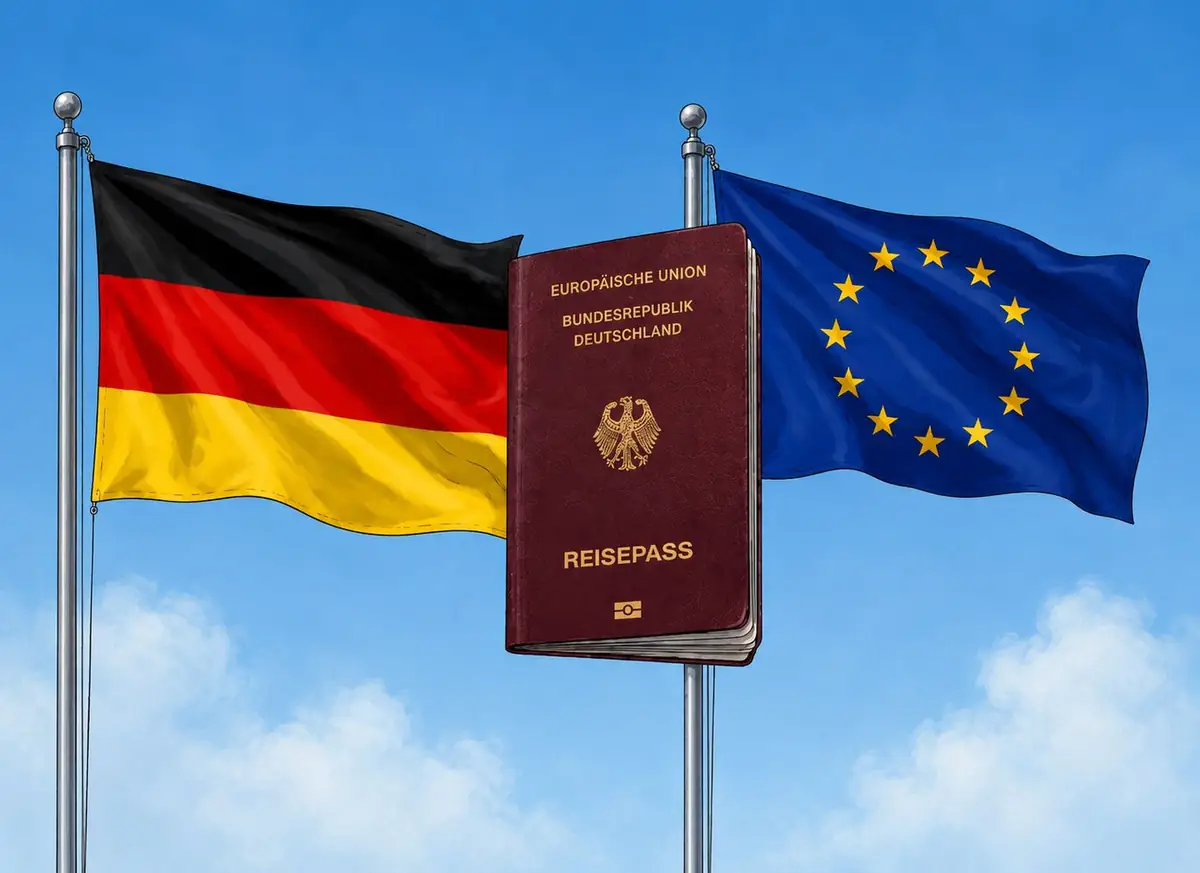
My cousins on my mother's side recently had two babies. Both of those children, before they could hold their own heads up, already held German passports, through the other side of their family.

They have no idea what they have. They won't for years. But something has already been quietly decided for them: where they can study, where they can work, whether a rejected visa application will ever stand between them and an opportunity anywhere across 27 countries. Nobody will have to explain a lineage, chase a document through a foreign archive, or wait years for a decision on their behalf. It's done. It just sits there, waiting for the moment it matters.

That, more than anything else, is the actual reason most people pursue European citizenship by descent. Not for themselves, necessarily. For the people who come after them.

The People I Actually Know Who Are Living Some Version of This

This isn't theoretical for me, and not just because of my own Polish and Romanian journey. Look around my own life and you'll find the whole spectrum of what a European passport does and doesn't change.

A former colleague of mine went through citizenship by descent for Germany, through her grandfather, a Holocaust survivor. Germany has a specific restoration pathway for descendants of people it persecuted, and she used it, then moved to Germany full-time. Her process worked. It also ran through an expensive lawyer, which is its own lesson, and a familiar one if you've read my post on what this actually costs.

A former coworker was born in Greece, an EU citizen from birth, and splits her year between the US and Greece. No visa, no permit, no countdown clock. She just goes, and stays, and works, because the passport in her drawer says she can. Watching her move between two continents like it's a commute is the clearest picture I have of what freedom of movement actually means day to day.

And then there's the contrast case, which might be the most instructive one. A coworker from Alberta spends the cold half of the year in Spain. Spanish boyfriend, snowbird life, winters in the sun. But she's there on a remote worker visa. Which means her life in Spain runs on a clock: renewals, conditions, paperwork, and the standing possibility that a rule change or a denied renewal ends the arrangement. She's living a version of the dream. She's also living proof of the difference between being allowed to be somewhere and having the right to be there.

Same continent, three completely different footings. That's the point. A European passport isn't about one lifestyle. It's about which of these positions you, or your kids, get to occupy when life presents the opportunity.

What's Actually Different Over There, As Far As I Can Tell

I haven't lived in Europe, so I won't pretend to firsthand authority here. But the people above tell a consistent story, and it matches what's widely reported about EU norms generally: more paid vacation as a legal baseline, parental leave measured in months rather than weeks, and healthcare access that isn't tied to staying in a particular job. None of them describe it as paradise. All of them describe the default settings of daily life as different in ways that compound.

I'm not telling you Europe is better. I'm telling you the people I know who have the right to find out for themselves have not regretted holding it.

Why the Newborns Matter More Than the Snowbirds

Here's the distinction I keep coming back to. The adults above made active choices, weighing tradeoffs as grown people. My cousins' newborns chose nothing. They simply received an option, secured by someone a generation or two before them.

That's what citizenship by descent actually is once it's done: it stops requiring anything. The next generation doesn't redo the paperwork, retrace the lineage, or requalify. They just have it. University at EU citizen rates instead of international rates. The legal right to take a job in any of 27 countries without sponsorship. The ability to move for love, for opportunity, or for no particular reason at all, with no renewal date and no one's permission.

A door that stays open for a family long after the person who did the paperwork is gone.

This Isn't a Verdict on Where You Live Now

Worth saying plainly: none of the people I've described left because their lives were falling apart. They made choices from a position of having options. And most people who go through this process never relocate at all. They hold the option the way my cousins' newborns now do, without it requiring a single thing from them.

That's the honest pitch. Not "move to Europe." Just: the option costs nothing to hold, and not having it puts everything on someone else's clock.

Find Out If the Door Exists for Your Family

I think about those two babies a lot when I talk to people about this. Somebody, at some point, did the work that put those passports in their tiny hands. If you have Polish or Romanian ancestry, even a few generations back, you might be in a position to be that somebody for your family. The quiz on this site is the fastest way to find out whether the door exists at all, and if it does, the Roadmap Call is where we map exactly how to walk through it.

Take the 2-minute eligibility quiz